
Foundation for Understanding Agarwood Formation, Cultivation, and Traceability
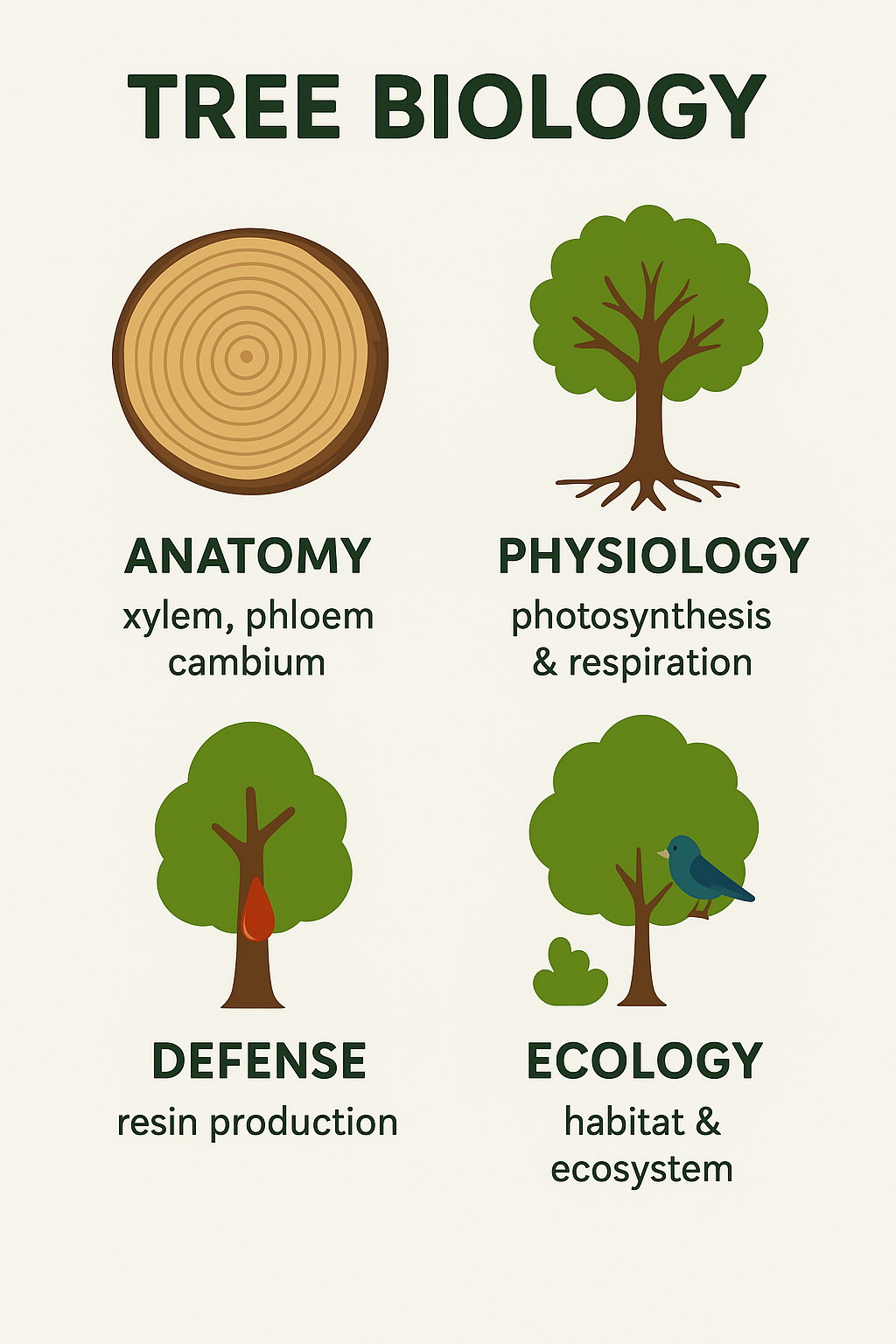
1. Taxonomy & Classification
Family: Thymelaeaceae
Two genera produce agarwood naturally or through induced wounding:
A. Aquilaria (Primary Commercial Genus)
Common species:
- Aquilaria malaccensis (Philippines, Malaysia, India)
- A. crassna (Vietnam, Cambodia, Laos)
- A. sinensis (China)
- A. filaria (PNG, Indonesia)
- A. hirta, A. subintegra, A. agallocha
B. Gyrinops (Emergent Commercial Genus)
Found across: Indonesia, PNG, Timor, some parts of Mindanao.
Key species:
- Gyrinops versteegii
- G. walla
- G. caudata
Gyrinops is closely related to Aquilaria but usually smaller, more drought-tolerant, and slower to mature.
2. Botanical Characteristics
A. Growth Habit
- Evergreen tropical trees
- Height: 15–40 meters (depending on species and habitat)
- Trunk diameter: 30–60 cm
- Fast-growing in optimal conditions (1–1.5 meters per year in early stage)
B. Leaves
- Simple, alternate
- Leathery texture
- Length: 5–12 cm
- Glossy on top; pale underside with fine hairs (distinct in A. malaccensis)
C. Flowers and Fruits
Flowers:
- Small, pale green to yellowish
- Fragrant
- Form clusters at leaf axils
Fruit:
- Small capsule containing 1–2 seeds
- Seed has an attached, threadlike aril used for wind dispersal
Flowering usually begins at 4–7 years of age, depending on species and site conditions.
3. Ecology & Natural Habitat
Climate
- Warm, humid tropical climate
- Annual rainfall: 1800–3500 mm
- Elevation: 0–900 masl
Soil
- Prefers well-drained, loamy or sandy-loam soils
- pH range: 5.0–6.5 (acidic)
- Tolerates marginal soils but growth is slower
Shade & Light
- Shade-tolerant when young
- Requires full to partial sun for mature growth
- Often found in secondary forests or disturbed areas
Distribution
- Southeast Asia, South Asia, Pacific
- Highly concentrated in biodiversity hotspots
4. Physiology Related to Resin Formation
The biology of these species is tightly linked to the natural defense mechanism that produces agarwood.
A. Wounding & Stress Response
Agarwood formation is triggered by:
- Fungal infection (e.g., Fusarium, Penicillium, Aspergillus)
- Physical injury
- Storm damage
- Insect boring
The tree responds by producing oleoresin to:
- Seal the wound
- Defend against pathogens
- Limit further damage
B. Biochemical Process
The oleoresin is a complex mixture of:
- Sesquiterpenes
- Phenylethyl chromones
- Aromatic resins
These are synthesized via the mevalonate (MVA) pathway as part of the tree’s immune response.
Influencing Factors:
- Species genetics (e.g., A. crassna is resin-rich)
- Type of fungus
- Intensity and position of wounding
- Environmental stress
- Age of tree (best > 6–8 years)
5. Differences Between Aquilaria and Gyrinops
| Feature | Aquilaria | Gyrinops |
|---|---|---|
| Growth rate | Faster | Slower |
| Tree size | Larger | Medium |
| Resin intensity | High | Moderate–high |
| Drought tolerance | Moderate | High |
| Root system | More extensive | Finer and deeper |
| Resin yield | Generally higher | Sometimes more fragrant but lower volume |
| Harvest age | 7–10 years | 8–12 years |
Gyrinops species often produce fine, high-aroma chips with strong incense qualities.
6. Life Cycle & Development Stages
Seedling Stage (0–1 year)
- Sensitive to sunlight
- Requires shade nets
- Needs uniform moisture
Juvenile Stage (1–3 years)
- Rapid vertical growth
- Root system expanding
- Light requirement slowly increases
Mature Stage (4–6 years)
- Ready for mild pruning
- Capable of inoculation/wounding
- Optimal biomass accumulation
Resin Development (6–12 years)
- Resin forms around wounded areas
- Resin content increases over time
- Maximum production: 10+ years
7. Interaction with Symbiotic Microorganisms
Recent studies show:
- Mycorrhizal fungi enhance nutrient uptake
- Certain fungi (e.g., Fusarium oxysporum) significantly trigger resin development
- Endophytic bacteria support stress tolerance
This is the foundation for inoculation technologies, including advanced blends like:
- Fusarium oxysporum bio-inducer
- MnO₂ catalytic oxidizer (e.g., BarIno FusaTrinity™)
- Multi-pathway wound stimulation systems
8. Genetic Diversity & Conservation Status
Conservation Concerns
- Overharvesting
- Illegal logging
- Habitat degradation
- Slow natural regeneration
CITES Listing
Most commercial Aquilaria and Gyrinops species are included in CITES Appendix II, requiring:
- Sustainable management
- Legal trade permits
- Verified propagation sources
Importance of Genetic Diversity
Clonal propagation and tissue culture (COPI protocols) help preserve:
- High-yielding phenotypes
- Disease-resistant lines
- Superior resin-forming genotypes
9. Implications for Cultivation & Industry
Understanding the biology of Aquilaria and Gyrinops allows for: