
Here are three illustrative case studies of how blockchain‐based traceability pilots are unfolding in the ASEAN region (Vietnam, Malaysia, Indonesia). These are useful reference points for your work with agarwood (and related perfumery/agro‐forestry value chains) and may yield lessons for your adoption strategy.
1. Vietnam — Agriculture & Logistics Traceability Pilot



Context & Scope
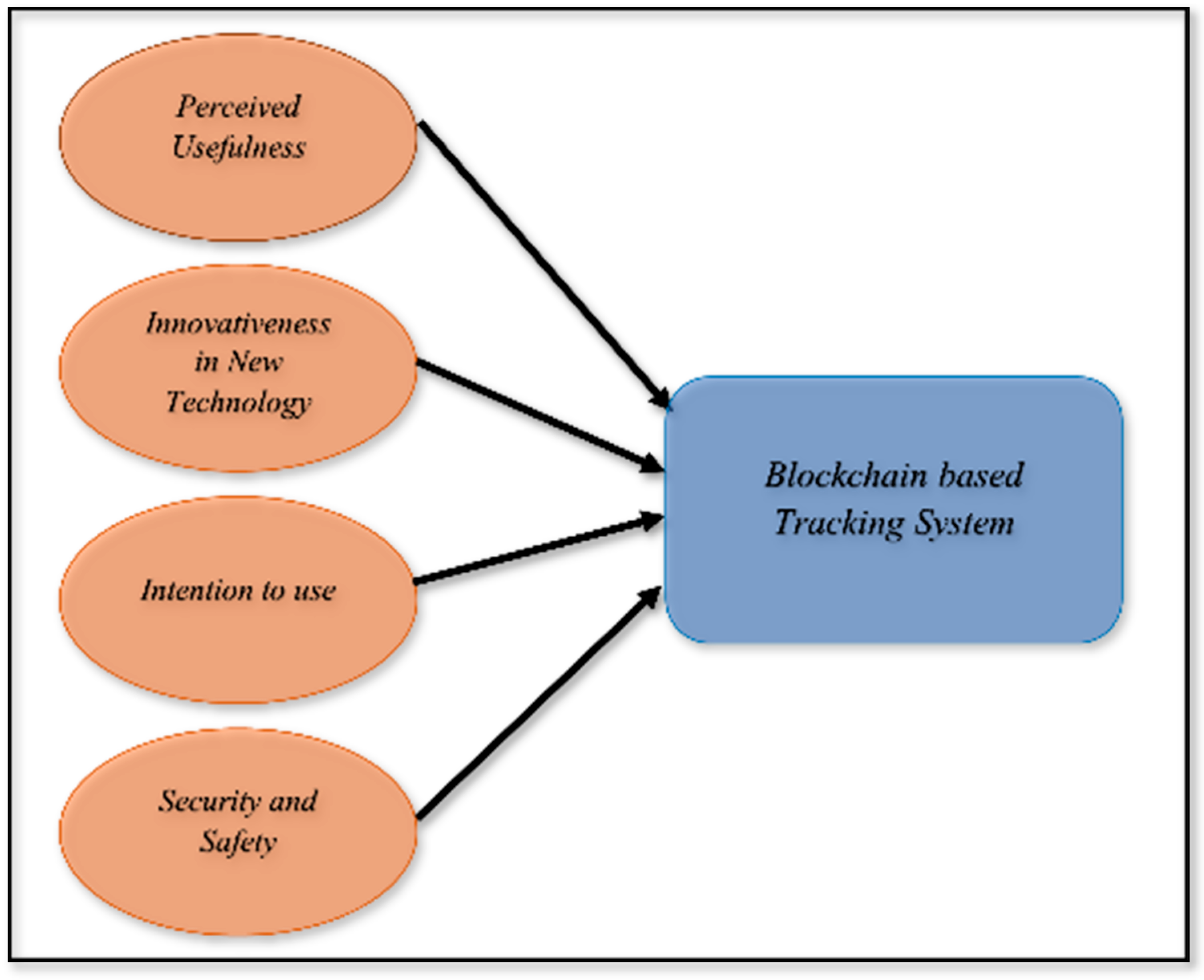
- Vietnamese farmers and agritech firms are piloting blockchain solutions for cacao and coffee traceability — e.g., a collaboration between The GrowHub and Why Ventures to introduce traceability tools to Vietnamese agricultural producers. (Asia Pacific Food Industry)
- The government (through ministries of logistics/ICT) is also exploring blockchain for national logistics/exports, smart customs, goods tracking. (Blockchain Council)
- One specific pilot: according to a case‐study (cited on a site associated with Putz Agarwood Farm) in agarwood trade (though this may be a proprietary reference) — in plantation‐grown Aquilaria crassna farms in Vietnam, blockchain was used to track seedling → harvest → extraction → export permitting. (Putzagar Wood Farm)
Key Results & Insights
- In the agriculture pilot: Improved market access for farmers due to enhanced transparency of origin and quality. (GrowHub/Why Ventures) (Asia Pacific Food Industry)
- In logistics pilots: Blockchain enabled digital document sharing, smart contracts for customs/port operations, and improved traceability of goods for export. (Blockchain Council)
- Lessons from the agarwood reference:
- The importance of regulatory collaboration (forest authority + customs) to enable end‐to‐end traceability. (Putzagar Wood Farm)
- Training of growers and data‐entry at farm level is critical to ensure data integrity. (Putzagar Wood Farm)
- Integrating legacy systems (farm registries, CITES permit databases) with blockchain architecture poses technical and governance challenges. (Putzagar Wood Farm)
Relevance for your agarwood value chain
- Vietnam shows that blockchain plus IoT/data capture at plantation level can work for high‐value woody/arboreal crops (e.g., Aquilaria) — good analog.
- The regulatory alignment piece (forest bureau, export customs, plantation registry) is especially relevant given your need for legal compliance (DENR/EMB CNC/ECC clearance) for exports.
- The prime takeaway: pilot at defined “unit of value” (e.g., plantation batch, extraction lot) → map data capture points (seedling, inoculation, harvest, processing, export) → link those via blockchain ledger + QR/UID for end buyers.
2. Malaysia — National Blockchain Infrastructure & Pilot Traceability




Context & Scope
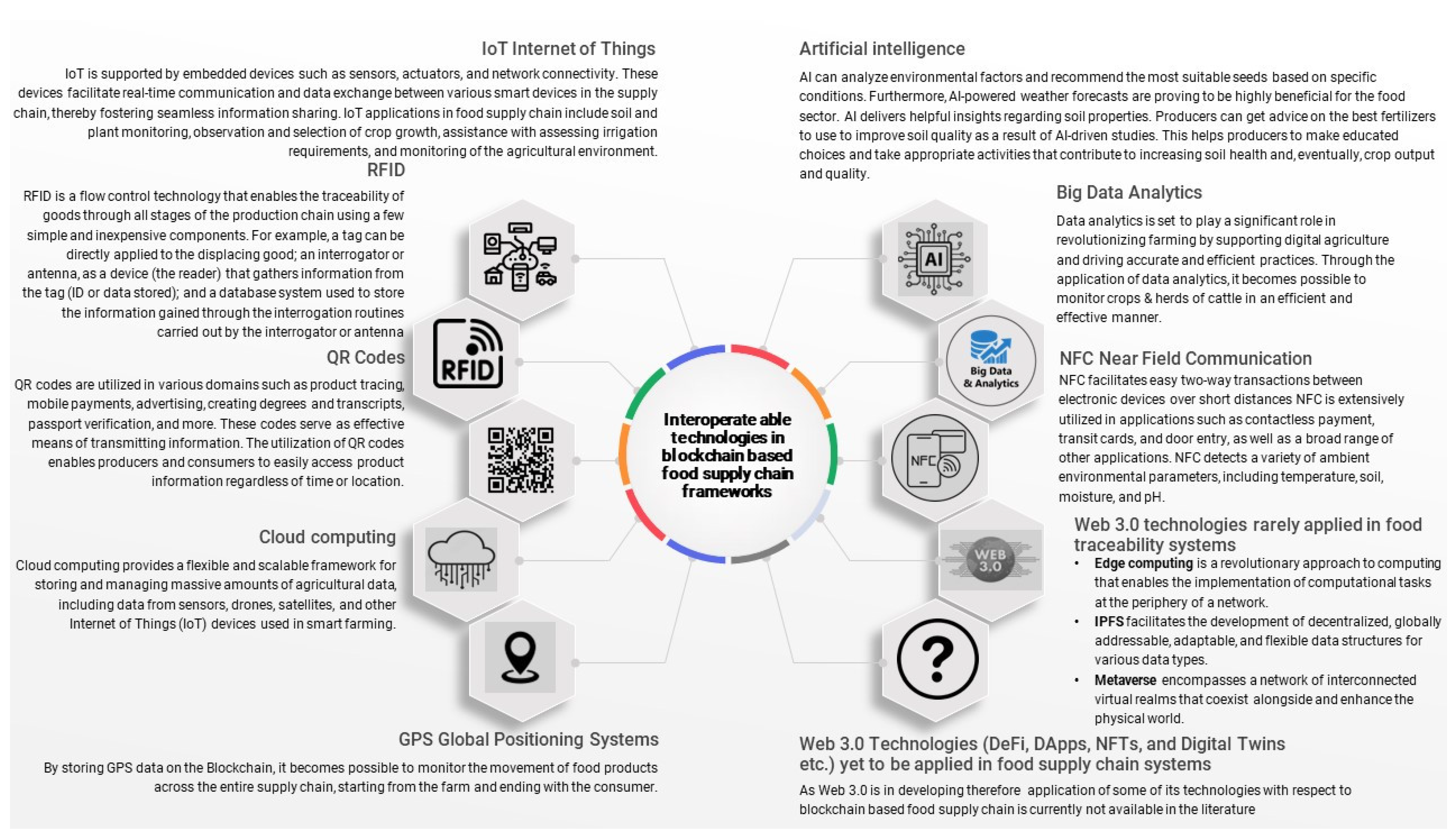
- Malaysia launched its national blockchain infrastructure platform called Malaysia Blockchain Infrastructure (MBI) in 2025, providing a foundation layer for supply chain traceability, digital identity and cross‐chain services. (Intelligent CIO)
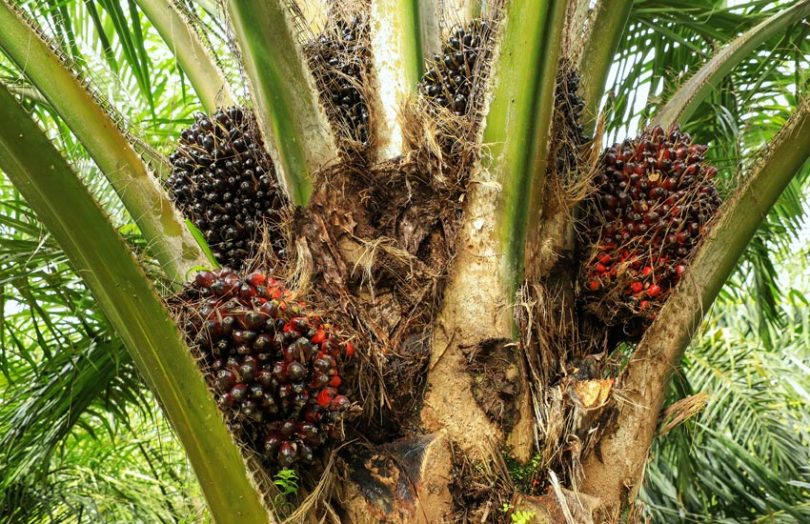
- In the commodity / agriculture sector: the Malaysian Palm Oil Council (MPOC) partnered with blockchain developer BloomBloc to pilot blockchain traceability for palm oil: starting from the individual tree (smallholder level) up through processing & certification. (Orissa International)
Key Results & Insights
- The MPOC pilot: used Hyperledger Fabric as enterprise blockchain, involved smartphone app for individual tree data entry by smallholders, end‐to‐end ledger creation from plantation to processor. (Orissa International)
- National infrastructure (MBI) in Malaysia – key enabler for traceability use‐cases (not only agriculture) – by providing interoperability, cross‐chain integration, standardised digital services. (Intelligent CIO)
- Key lessons: smallholder involvement, mobile data capture, user‐friendly interface are essential; governance (industry body + tech partner) is central.
Relevance for your agarwood value chain
- Malaysia’s approach shows how a national blockchain backbone can support sector‐specific traceability (like agarwood) by providing infrastructure, standards, and interoperability.
- The palm oil pilot demonstrates how traceability at the tree/plantation level works (which maps well to agarwood plantation → tree inoculation → harvest).
- For a venture like yours, the takeaway is to consider how your ecosystem (plantation farmers, inoculation service providers, extraction/processing, export/logistics, buyers) can plug into a larger infrastructure rather than building isolated chains.
3. Indonesia — Agriculture & Food Traceability Blockchain Pilots
Context & Scope
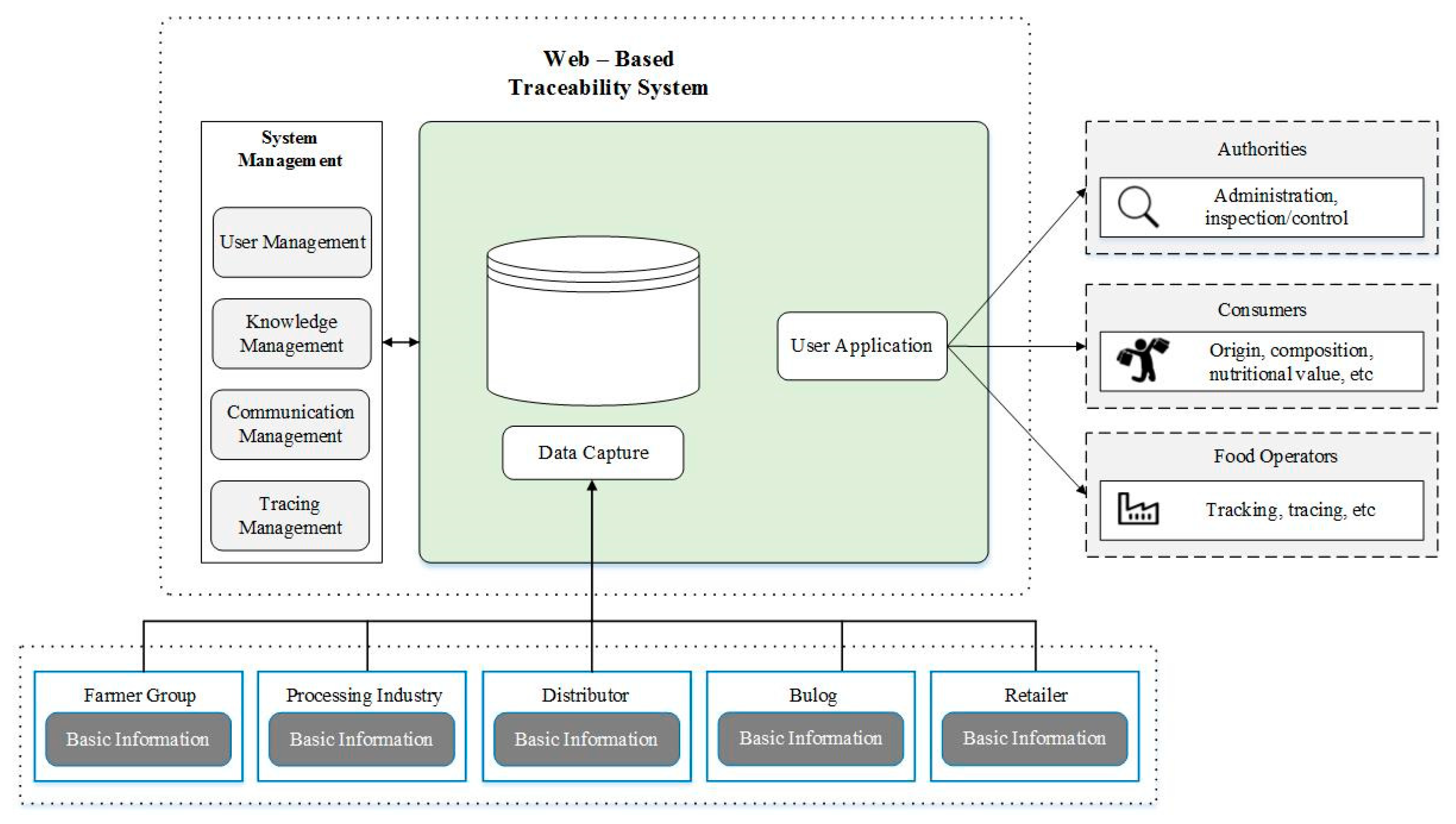
- A case study: “Optimization of Rice Supply Chain Traceability Using Blockchain” in Bekasi Regency: developed a prototype application (Ricetrack) based on Hyperledger Sawtooth, improved traceability, transparency, efficiency in the rice chain. (Eduvest)
- Studies in Indonesia on blockchain‐based traceability for horticulture/horticultural commodities (e.g., chilli case study) show that blockchain improved traceability by 95 % and reduced operational cost by ~25 %. (joa.polteksci.ac.id)
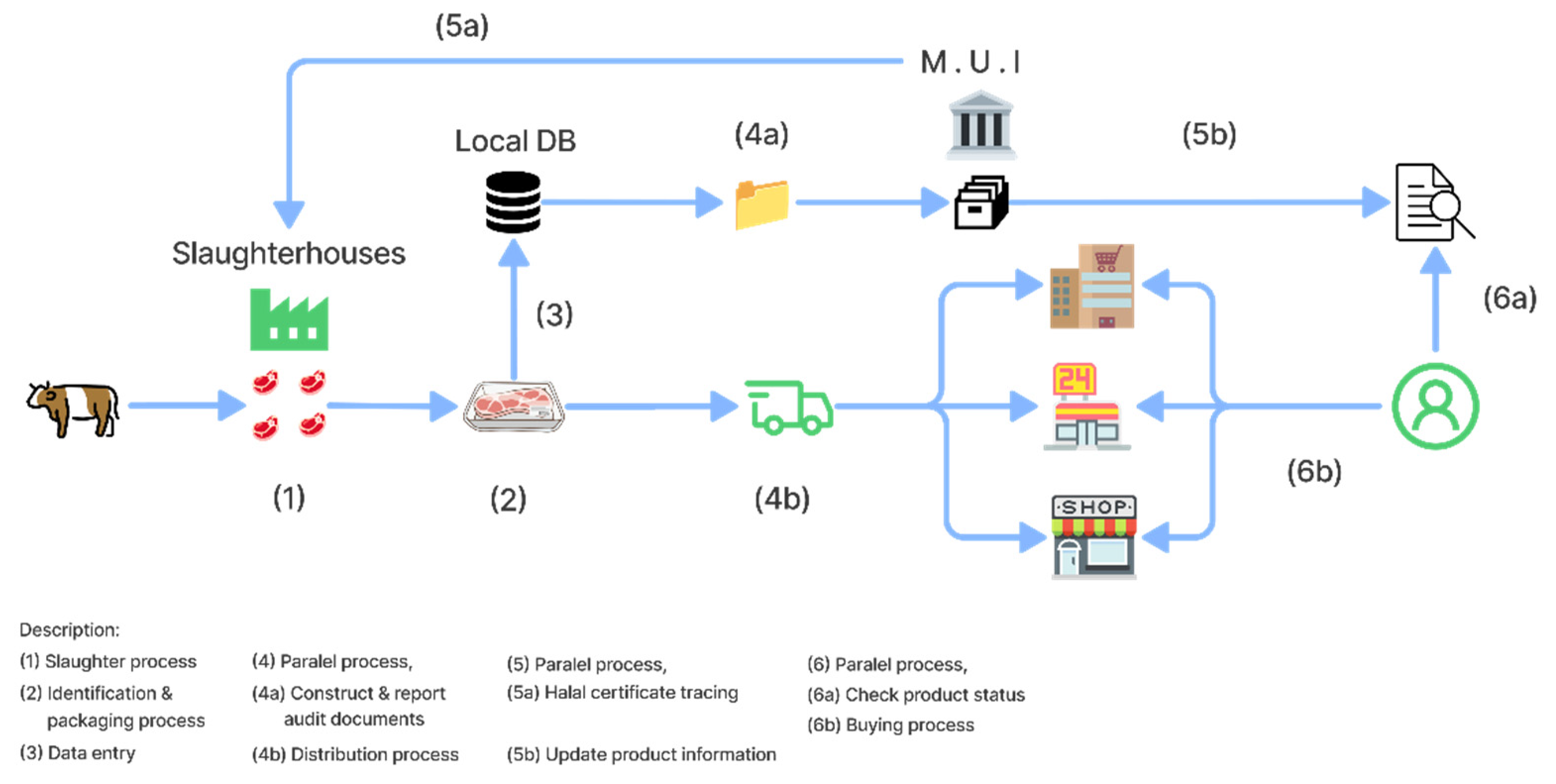
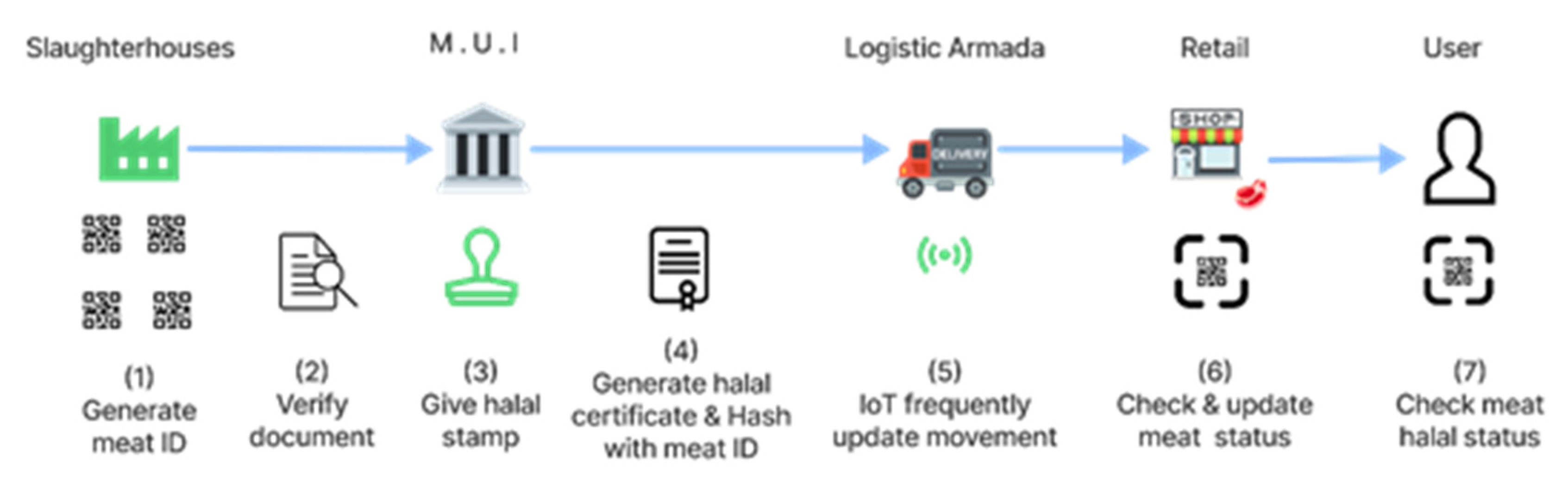
- A study on the halal supply chain: “Blockchain‐Based Traceability System to Support the Indonesian Halal Supply Chain Ecosystem” shows a model for using blockchain to assure halal certification + traceability. (MDPI)
Key Results & Insights
- The rice pilot: improved data transparency and traceability, but noted challenges: digital infrastructure, integration across stakeholders, adoption by smallholders. (Eduvest)
- The horticulture/halal pilots: provide quantifiable improvements (traceability + cost efficiency) but emphasised stakeholder training, digital literacy, and infrastructure limitations.
- Overall: Indonesia shows that blockchain traceability for agriculture is feasible and delivers value but scaling remains challenging.
Relevance for your agarwood value chain
- Since agarwood cultivation often involves smallholder plantations or contract farmers, the lessons about adoption by many small actors in Indonesia are highly relevant.
- The halal supply chain model emphasises certification + traceability synergy—analogous to agarwood certification (CITES, sustainable cultivation) which you need.
- Indicates the importance of pilot scale, infrastructure readiness, training, stakeholder engagement—key success enablers.
Summary Table
| Country | Sector / Use‑case | Key Takeaway for Agarwood Traceability |
|---|---|---|
| Vietnam | Agriculture & logistics traceability | Linking plantation → harvest → exports; regulatory + tech alignment |
| Malaysia | Commodity traceability (palm oil) + infra | Tree‐to‐processor traceability; national infrastructure as enabler |
| Indonesia | Agriculture & halal food traceability | Many smallholders; cost/efficiency gains but adoption challenge |
Implications & Recommendations for Your Project (for Agarwood Growers Agriculture Cooperative (AGAC) / Crown Extraction Solutions Inc. (CESI) etc.)
- Pilot first, scale later: Start with a defined subset of your value chain (e.g., one plantation block or one extraction batch) and trace it end‐to‐end (seedling, inoculation, harvest, resin grade, certification, export). The Vietnam example shows this works.
- Stakeholder training & onboarding: Ensure plantation farmers, inoculators, processors understand data capture and the “why”. Without data accuracy the blockchain value is weakened.
- Integration with regulatory and certification bodies: Work with forest/plantation authorities (e.g., DENR in Philippines), CITES export permit systems, local traceability systems so that ledger entries are meaningful for authorities.
- Leverage national infrastructure where available: Where your country (Philippines) or partner countries have blockchain or traceability frameworks, integrate rather than duplicate.
- Consider small‑holder context: Many of your plantation farmers may not have high technology readiness; mobile apps, offline data capture, and simple UI will help. Lessons from Indonesia apply here.
- Link to consumer/market assurance: The end buyer (Middle East, Japan, Europe) increasingly demands traceability, sustainability, and authenticity. The ability for a buyer to scan a QR code and trace origin (as seen in Indonesia & Malaysia) adds value.
- Plan for cost, data infrastructure, and scalability: Blockchain is not a magic fix; you will need sensors/IoT for plantation/resin data, data input, user training, governance rules, and budget.
- Measure KPIs: Track metrics such as reduction in permit‐processing time, increase in buyer confidence/premium, number of traceable batches, smallholder adoption rate. Vietnam pilot offers data (e.g., 40 % reduction in permit processing) in the agarwood reference. (Putzagar Wood Farm)